
What is heavy cream in Australia?

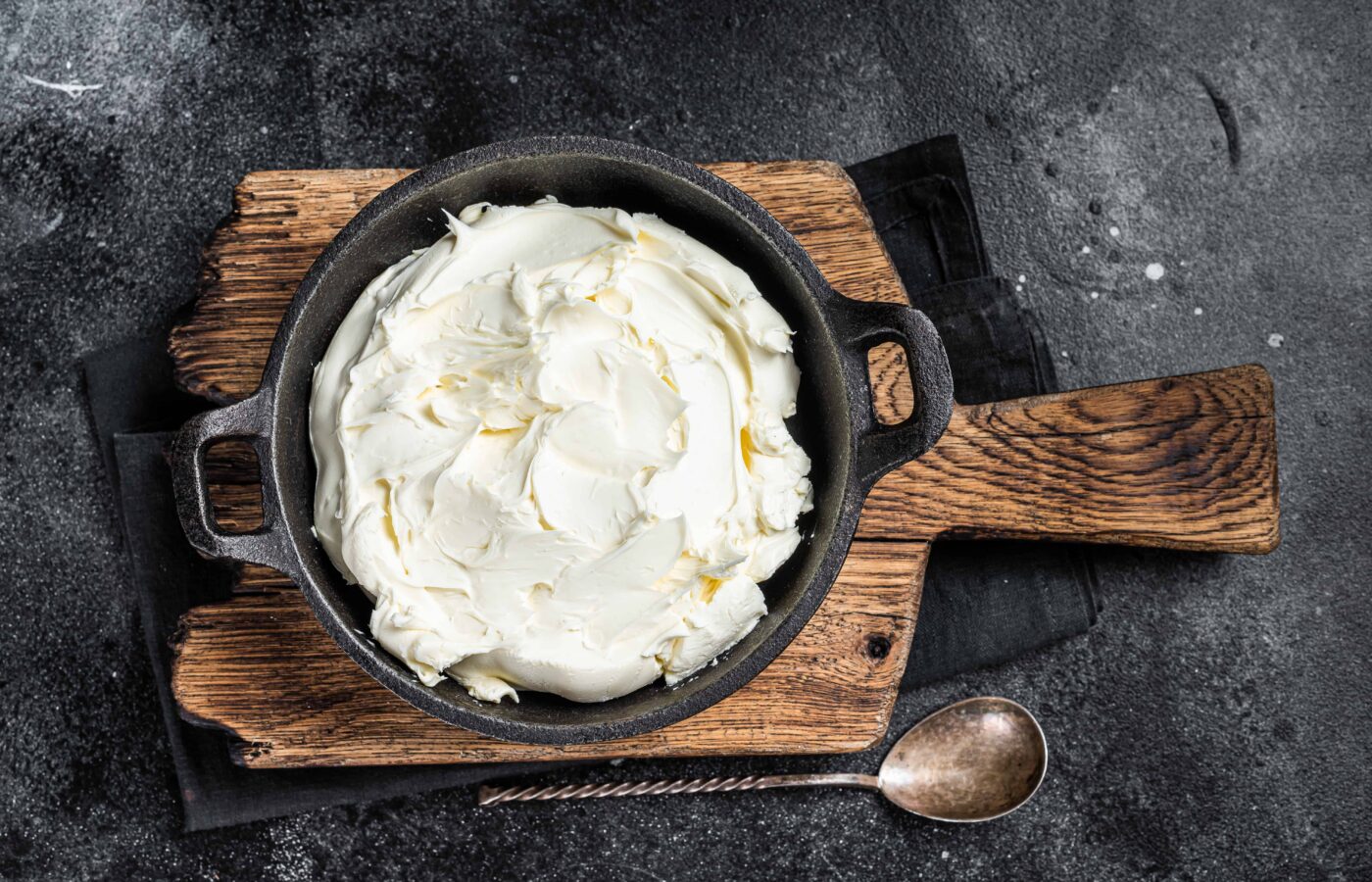
It might go by a different name, but here’s what to look for in Australian supermarkets for the same great taste that allows you to cook up a storm in your kitchen.
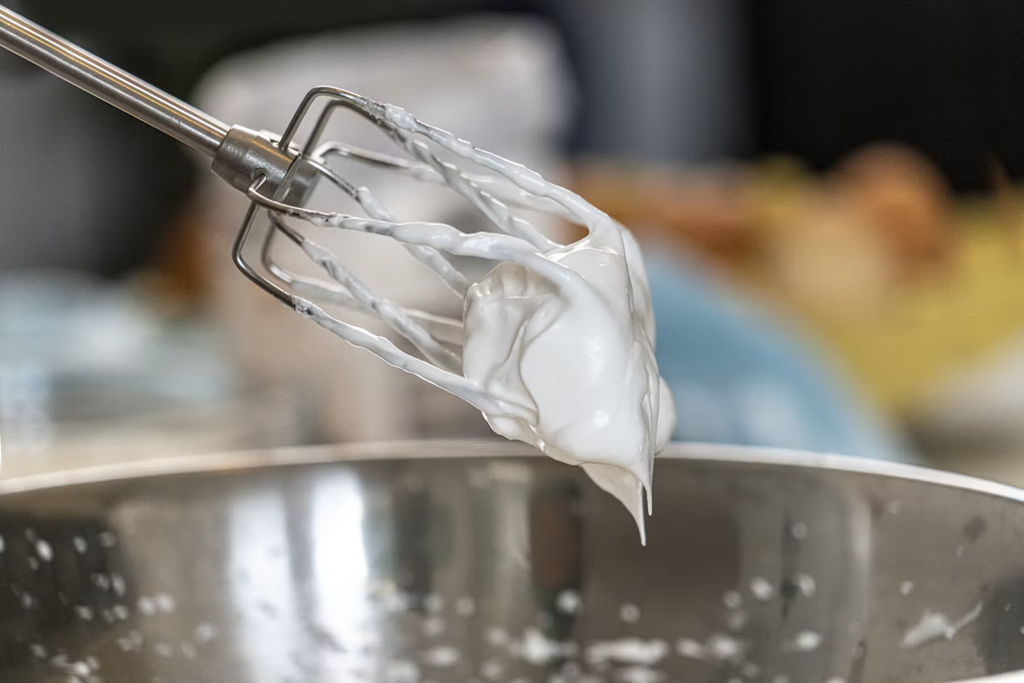
Image by Sorin Gheorghita on Unsplash
You’re at your local supermarket picking up a few ingredients for that new Beyond Home recipe you want to try. As you scan the shelves convinced the ingredient list must have an error, you wonder: where oh where is the heavy cream? Don’t worry, you’re not going crazy. We call heavy cream something different in Australia.
What is heavy cream?
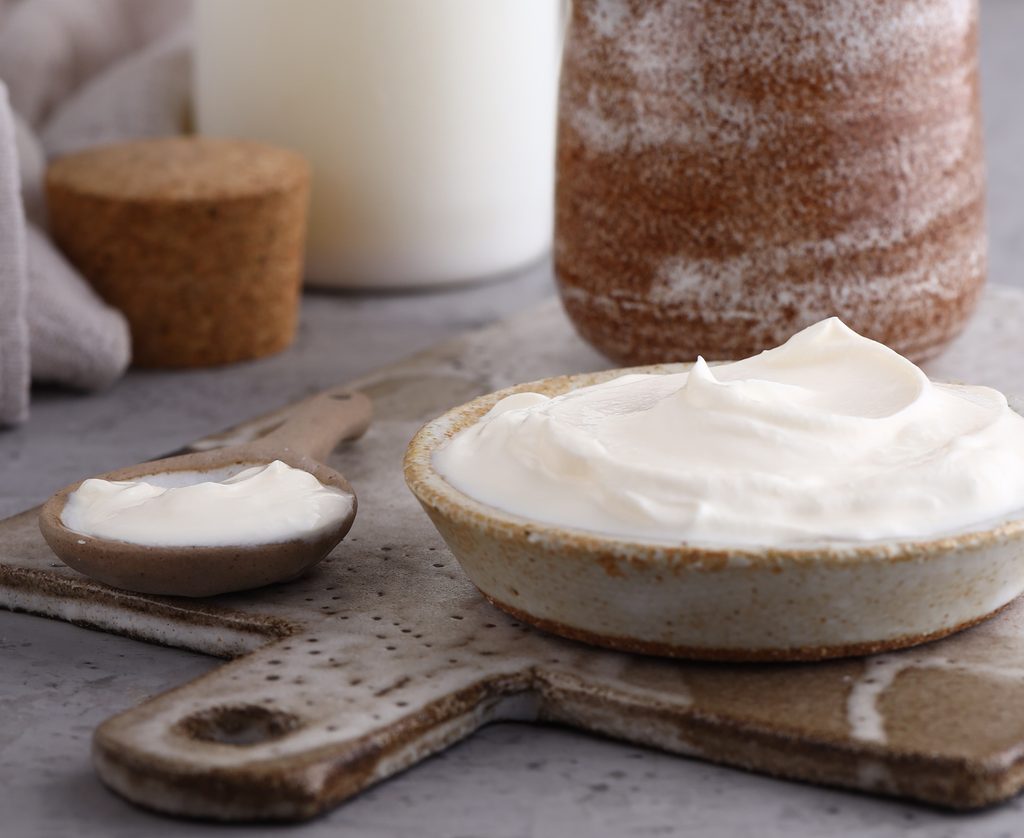
Heavy cream is a multi-purpose dairy product that’s rich in high-fat (at least 35%), and is much-loved for its thick consistency. Some recipes may list cooking cream, whipping cream, pouring cream, double cream or heavy whipping cream. But there’s actually a technical difference between all these. When you’re looking for heavy cream in Australia, we call it something different.
What is heavy cream in Australia?
Australian chefs and home cooks use the terms thickened cream or pure cream to refer to this rich, high-fat milk product. Although its composition can be different, the product often shares similar properties across its different names and uses.
With at least 35% milk fat, that means thickened or pure cream contains 35 grams of milk fat per one hundred mls. It can contain thickening additives or stabilisers such as vegetable gums and gelatine, essential for helping heavy cream retain its shape when whipped plus remain uncurdled when heated.
What is heavy cream used for?
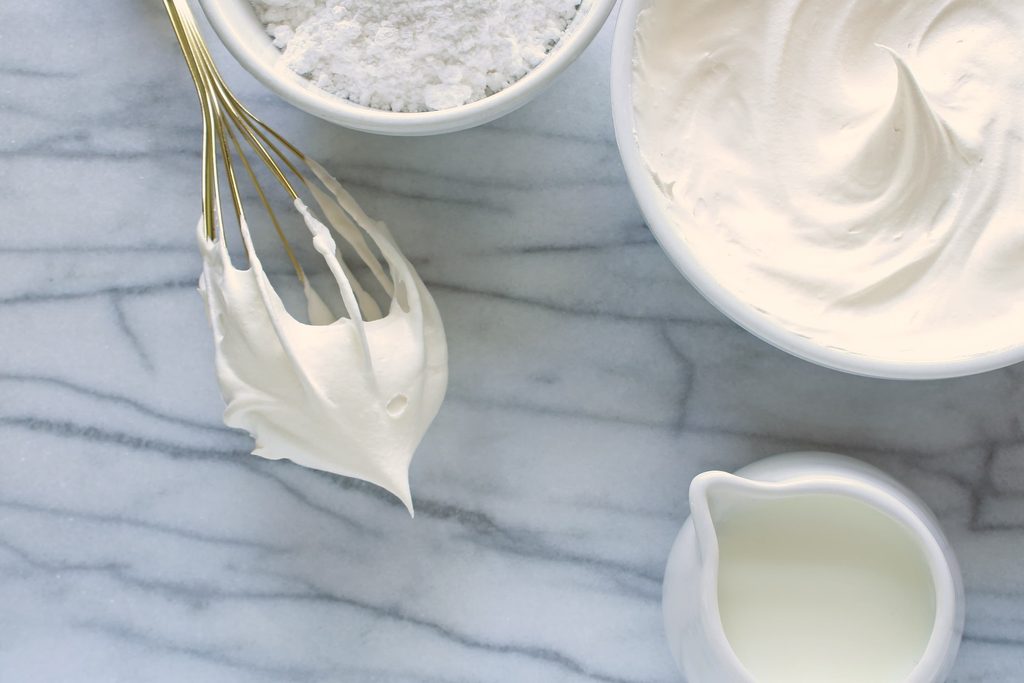
If you love cooking and baking at home, chances are you’ve worked with heavy cream a few times. It’s commonly used for:
- Cake decorations, piping and frostings
- Creamy soups
- Dessert toppings
- Hot drinks
- Pasta dishes
- Pastry fillings
- Sauces
Exploring top-rated heavy cream substitutes
When exploring heavy or thickened cream substitutes for speciality dishes or when catering for specific dietary requirements (vegan diners), here’s what you can opt for in the place of pure cream:
- Cashew cream
- Coconut cream or coconut whipping cream
- Evaporated milk
- Greek yoghurt
- Oat cream
- Soy cooking or whipping cream
- Tofu (blended)
Understanding Australian cream: A quick fat content guide
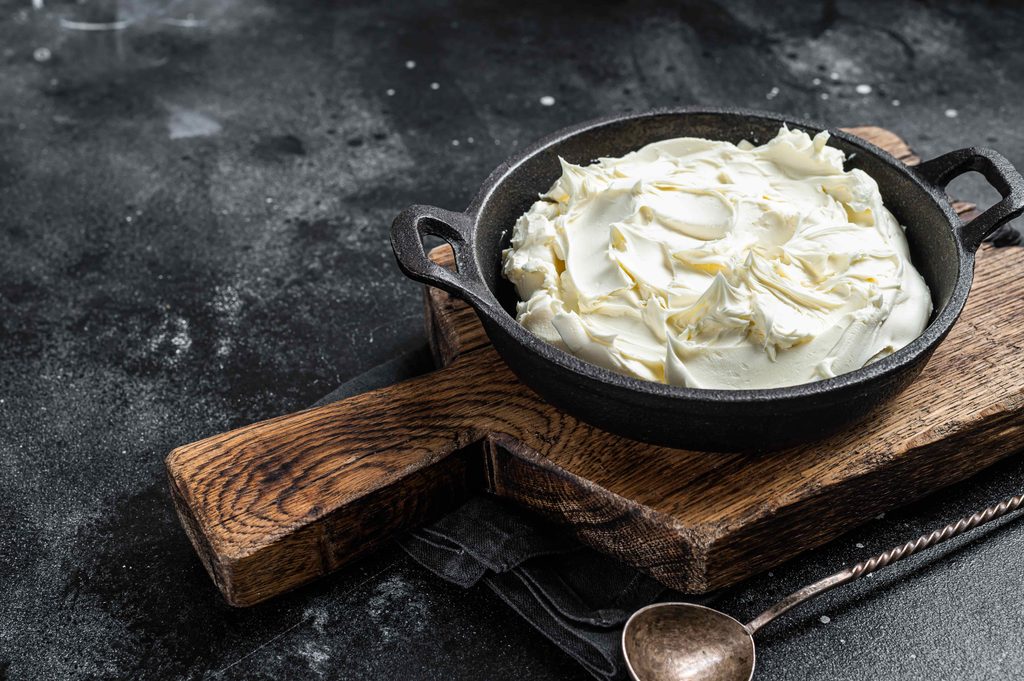
To avoid ingredient list confusion and recipe mishaps, you’ll need to brush up on your Australian cream fat content guidelines. We’ve provided a simplified version below to help you use the right cream each time you’re tackling a new dish.
Cooking cream — 20-30% fat
A low fat content makes cooking cream ideal for casseroles, curries, light sauces, pastas, savoury dishes, soups and risottos.
Whipping cream — 30%+ fat
Presenting with a low fat content, whipping cream is excellent as a subtle enhancer of taste and texture, most notably in hot drinks like coffee and hot chocolate.
Pouring cream — 30-35% fat
The slightly higher fat content of pouring cream makes it a great addition to rich soups, sauces and desserts. It’s not a heavy thickener and stirs well but isn’t recommended for whipping.
Pure cream — 35% fat
With a higher fat content and no additives, the “cleaner tasting” pure cream helps you achieve a perfectly smooth finish to pastas, sauces and soups or pavlovas and trifles.
Thickened cream — 35–40% fat
Thickened cream, which is more stable than pure cream, is a dream when whipping for cakes, custards, crumbles, cheesecakes, sweets, fruit toppings and other desserts. This is generally the cream you’ll look for in Australian supermarkets.
Double or extra thick cream — 45-50%+ fat
The high fat content of double cream makes it a top choice for rich desserts, ice creams and thickened sauces. It adds a greater level of depth as it holds under high heat and freezes particularly well when stored for long periods. We don’t recommend double cream for whipping as it turns into butter in mere seconds.
Knowing which cream works best for which recipe
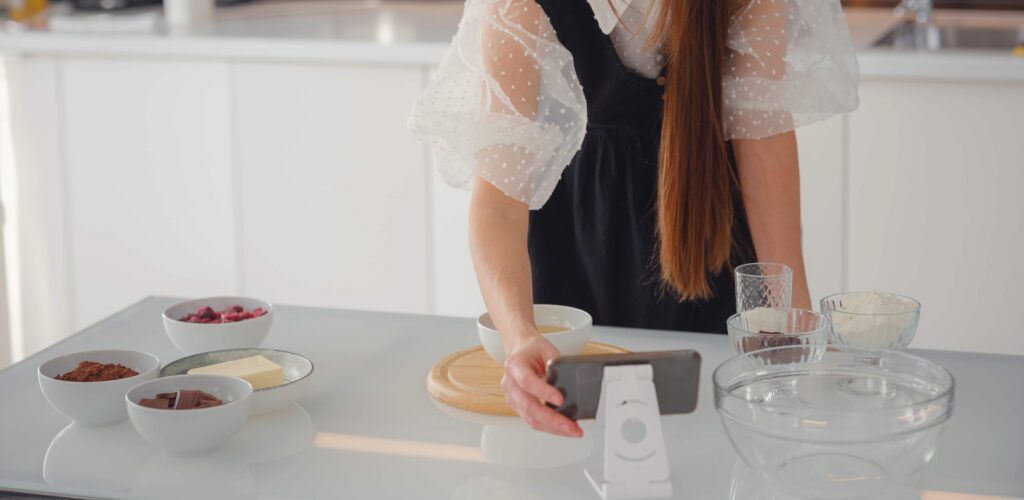
Whether you’re cooking a rich savoury meal or baking delicious sweet treats, you’re performing a culinary science that depends heavily on using the right ingredients, in the right amounts, in the right order.
Keep the following cream recommendations in mind to ensure you achieve faultless results when making your favourite kitchen masterpieces:
- Pouring cream is your go-to for soups and sauces with a lower-fat content.
- Cooking cream is a winner for soups and pasta dishes that require a silky-smooth finish without separating or splitting.
- Thickened or pure cream produces excellent outcomes when you desire the rich, creamy whipped texture common in batters, custards, ganaches and muffins.
- Double cream works best for thick, rich sauces and ice cream bases.
FAQs: Knowing which cream to use in your Aussie recipes
Using the wrong cream in your special dish can be a sticky business. Avoid disappointment and wasted ingredients with these common questions and sharp answers.
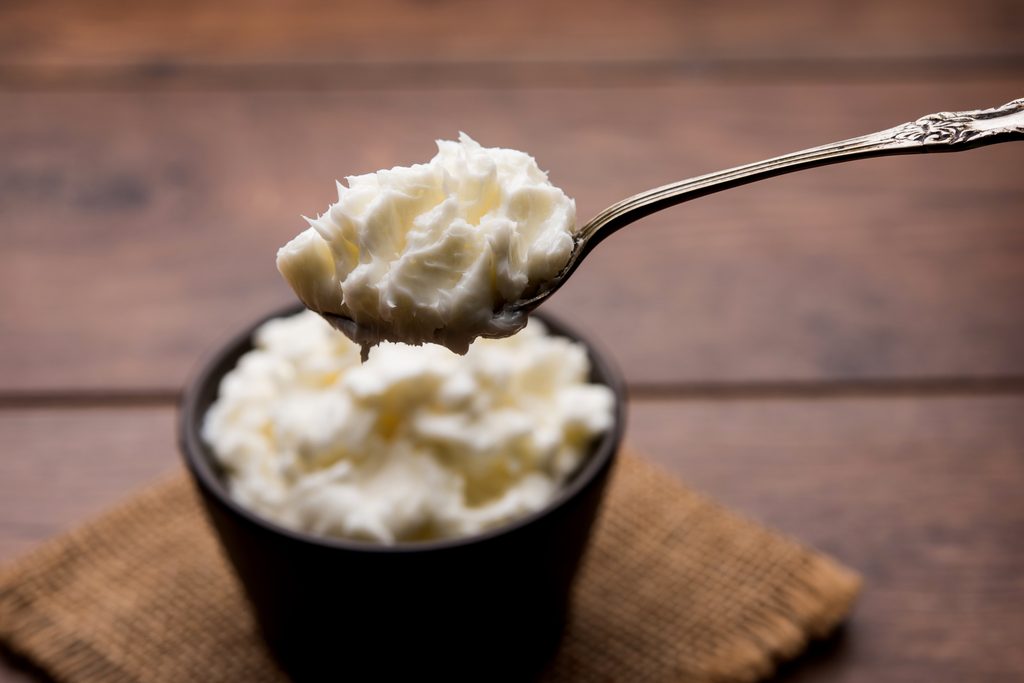
What is heavy cream called in Australia?
In Australia, heavy cream goes by the names thickened cream or pure cream. To avoid getting the wrong ingredient in-store, check product labels for fat content before purchasing.
Is heavy cream thickened cream?
While heavy cream and thickened cream aren’t exactly the same thing in Australia, they’re used interchangeably in everyday cooking and serve as a good alternative for each other. Their fat percentages are close enough, making them ideal for cooking and baking in both savoury and sweet dishes.
Can I whip thickened cream?
Definitely! Thickened cream whips quickly and exceptionally well (without curdling) thanks to the added stabilisers and its ability to maintain shape for longer.
Can I make heavy cream at home?
Yes, if you’re brave enough. Making heavy or thickened cream at home isn’t an easy task, and yet it’s possible when you whip full cream milk (¾ of a cup) and unsalted butter (¼ of a cup, melted). Mix/beat them thoroughly until you arrive at a fat consistency akin to heavy cream.
When to use thickened cream vs. pure cream?
Use thickened cream for a finished dish that needs sitting and setting time, and pure cream when your dish is meant to hit the table immediately.
How do I make sure I whip properly?
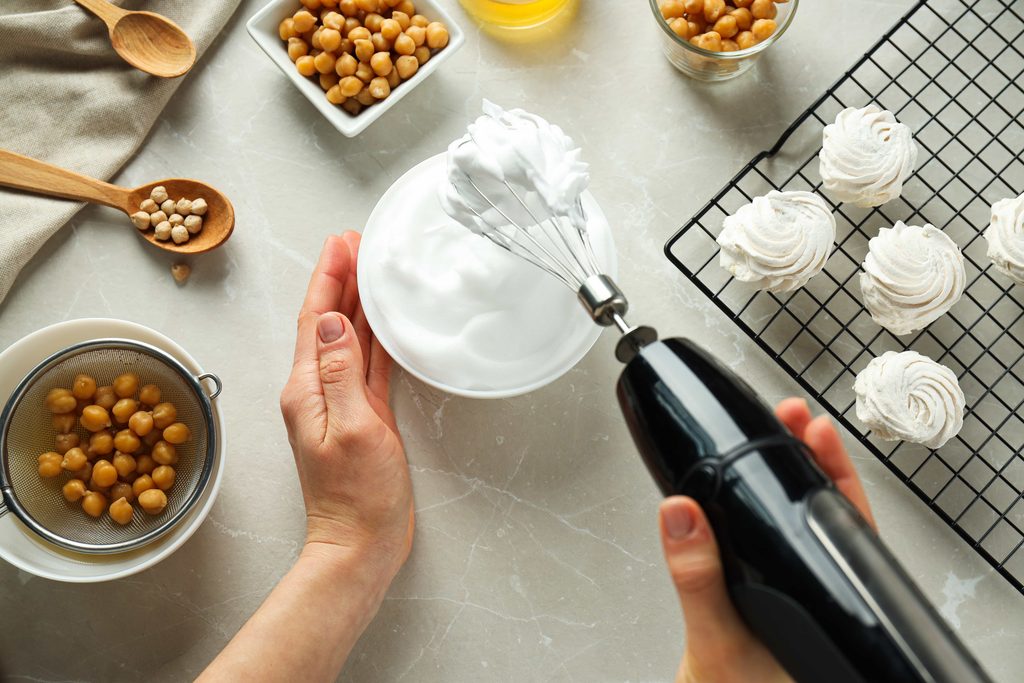
As long as you’re working with a cream that has more than 30% milk fat, three factors will help you perfect your whipping:
- Keeping your cream at the correct temperature — The colder, the better
- How long you whip — Pay attention to your whipping duration and you’ll learn to discern the difference between “soft” vs. “stiff” vs. “hello, now I’m butter” (the latter usually happens in a matter of seconds when whipping double cream)
- Adding sugar — Never add sugar at the beginning of the whipping process; always wait for a slightly thicker consistency
What happens when my cream won’t whip?
You’re cream won’t whip if you’ve chosen a product with less than 30% milk fat. That’s because you won’t be able to build enough structure and trap enough air via the fat as you whip, thus causing a froth-and-fall effect that won’t hold. Even when you do have the correct cream, it may not be cold enough.
Which creams don’t whip?
Canned cream and light thickened cream don’t whip and collapse easily — no matter how much mixing you do.
What other creams can I use for cooking and baking?
Some recipes call for the following common cooking and baking creams: crème fraîche, long-life cream and pressure packed or aerosol cream. As always, check the label for ingredients and fat content to ensure your final choice matches the exact requirements of your recipe